The Faeries' Oracle: Why Brian Froud is Still the King of the Hedge
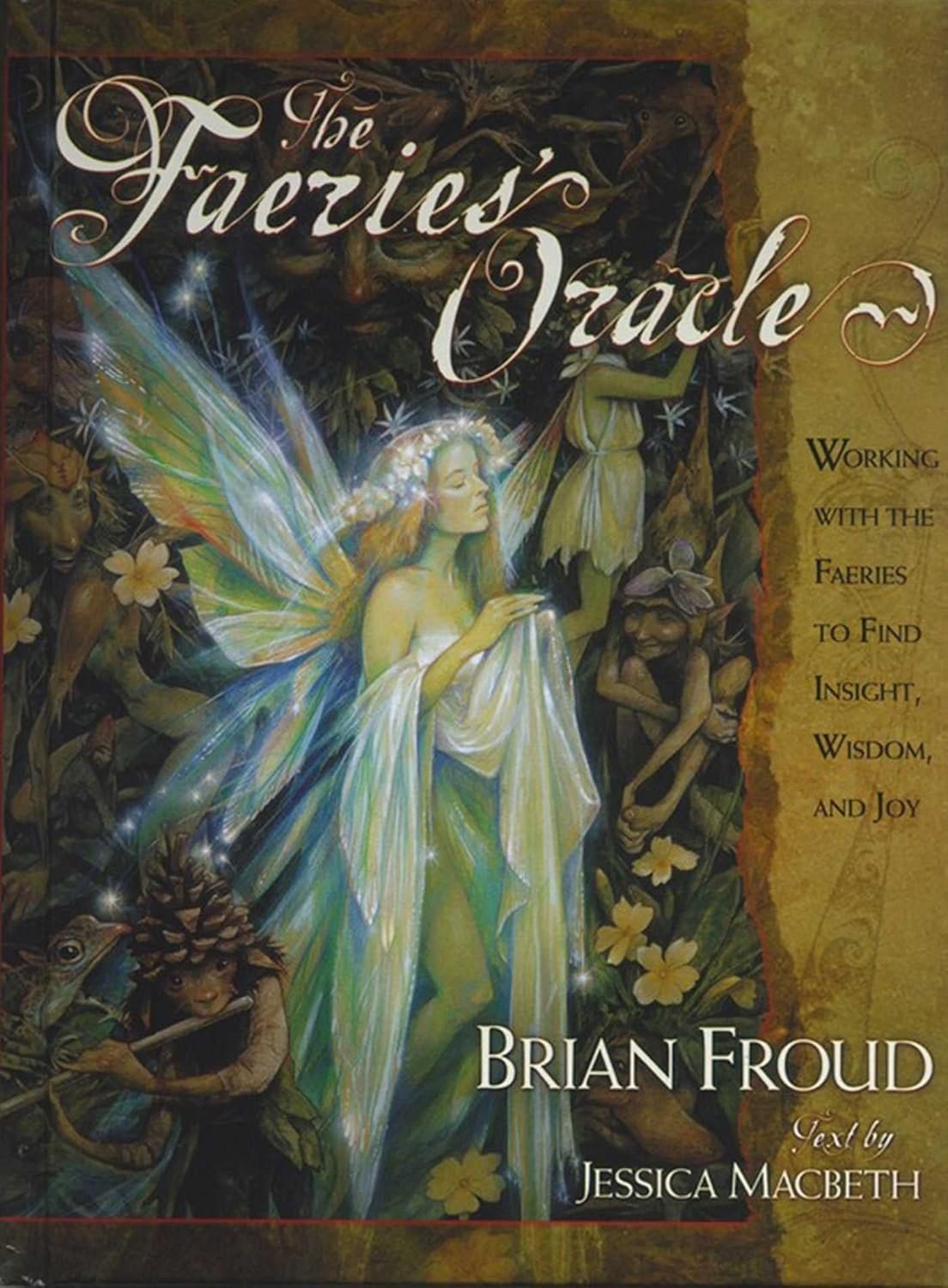
Those of us who grew up in the late 70s with hippie parents, may have spent hours perusing their mom’s book collection like I did. From the Kama Sutra to Spiritual Midwifery to the Mists of Avalon, Watership Down, the Narnia Series and Stephen King (every single one ok?), my mom’s bookshelf was a place of enchantment and discovery. One book though stands out even more, because tucked between Linda Goodman’s Sun Signs and The Joy of Cooking, Brian Froud’s Faeries wasn't just a book; it was a doorway.
It was the first time many of us saw the Fair Folk as they truly are—not as sanitized Victorian sprites, but as Beings made of roots, twigs, moss that were truly “red of tooth and claw.” In other words, these fairies were simply not… sanitary! This 1978 masterpiece changed the landscape of fantasy art forever, and somehow, Froud is still the only one, in my opinion, who can truly capture that visceral, embodied Otherworld.
So, have you seen the Faeries' Oracle deck yet? Also around for some time, it’s been a staple on my altar for years, and for good reason. If you haven’t added it to your collection yet, wait no longer! It’s an old soul in a modern box, and it’s more relevant now than ever (you know, ecosystem collapse, the constant “othering” of nature, capitalism run rampant, resource extraction, the yoush).
The Art: More than Just Tinkerbell
Brian’s art is legendary for a reason. In this deck, he isn't just drawing characters; he’s documenting spirits. His style is a masterclass in painterly texture—you can practically smell the dank earth, the wild thyme, the bubbling brook. It’s that "Froudian" look: with the spindly fingers, the knowing, asymmetrical eyes, and the way the bodies seem to grow directly out of the surrounding flora that makes this deck so evocative. These beings aren't posing for you; you’ve just happened to stumble upon them, and they’re currently deciding whether or not to let you stay.
The Deck: Built for the Long Haul
Let’s talk card stock. It’s substantial—not cheap. And the finish is a kind of polished matte that is easy to shuffle. They are the perfect size to work with and these have a weight to them - they feel like some treasure found in an old library or a hidden hollow. They’re meant to be handled and used until the edges get that lived-in look - mine def do, and the deck is still holding it’s shape 20 years later.
And the Book?
Jessica Macbeth’s text is the perfect companion to Brian’s art. It’s dense with lore but written with a dry, witty, practical edge that stops it from becoming "airy-fairy." The book actually has some meat on its bones. It’s detailed and imaginative, but refreshingly direct. It treats the faeries as distinct personalities with their own agendas, which—let’s be honest—if you have worked with them you know they do have!
How it Reads
If you’re looking for an oracle deck that will tell you you’re a "sparkling star-seed," just go ahead and put this one back on the shelf. The Faeries' Oracle doesn't care about your ego; it cares about the truth, and usually, that truth is and slightly mischievous. This is a deck for people who know that the "Good Folk" are neither good nor particularly folksy.
It feels like sitting down with an old ancestor who isn't interested in wasting time. Because these cards are based on the folk we first met in Faeries they have personality. When you pull a card, it doesn't just give you a message—it shifts the atmosphere of the room. It’s a liminal space in a box. I’ve found it remarkably accurate and insightful. It invites you to look at the whole picture: the tricksters, the guardians, and the singers alike. It recognizes that the "shadow" is just as much a part of the garden as the light.
I love to use this deck alongside my trusty Rider Waite Smith (also about 50 years old and a gift from my mom on my 20th birthday). Whenever I get a little stuck or need more direct language in a reading, or more specifics, more honing in, I’ll pull a card form here to lay overtop of the ambiguous card and combine their meanings. Suddenly things become clear!
Not to mention, I LOVE inviting the Folk in to my sphere. Especially at this time of year.
If you don't own this, and you’re looking for a deck for spring, go get it. It’s a classic for a reason. It’s beautiful yes - and it’s one of those decks that consistently reminds me that the world is much weirder, and much more enchanted than we think.
Just remember: go softly. As the deck and maybe your own experience will tell you, the rewards are enchanting, but the Fae don’t suffer fools.