Sitting with Spring: A Rite, Some Books, a Bit of Dirt Under Your Nails
The Spring Equinox season is a cosmic tug-of-war, and frankly, it’s exhausting. We’re balanced on a knife’s edge between the comfort of the dark and the exposure of the light. If you’re feeling a bit frayed, it’s because friend, you are a part of it all. Here’s some a gentle sun-lovin’ ways to acknowledge the shift.
A Spring Rite
1. The Inventory
Sit down. Look at your life. What’s dead? Not "resting," not "hibernating"—actually dead. That habit, that resentment, that project you’ve been dragging around like a carcass? Just stop. The sun is coming up, and it’s going to show everyone the rot anyway. Be honest. It saves time.
2. The Offering
Go find a patch of earth that hasn’t been manicured to death. Press your palms into the mud. Feel the vibration of things beginning to stir— all that microscopic activity of seeds breaking open, insects laying eggs, flowers breaking through the top soil with a kind of violent-grace. Tell the earth what you’re leaving behind. In a poem, or just in a breath. Let the soil take the weight; it’s wayyy better at composting endings than you are.
3. The Balance
Stand up. Breathe in the damp, sharp air. Do some Sun Sals. Drink your green tea and thank the gods for another spring. Watch the bees come back. Visit a duck pond and just sit. Go to a “no-phone” event. Tune out, drop in. We honour the return of the light not because it’s "pretty," but because it’s a reckoning. You're a bridge between what was and what will be, a liminal space. Remember, spring isn't a greeting card. It’s an initiation. Dress accordingly.
Ye Spring Reading List
The light is coming back, whether you’re ready for the exposure or not. Here’s what to read while Big Mama Earth decides what she’s going to resurrect for this year.
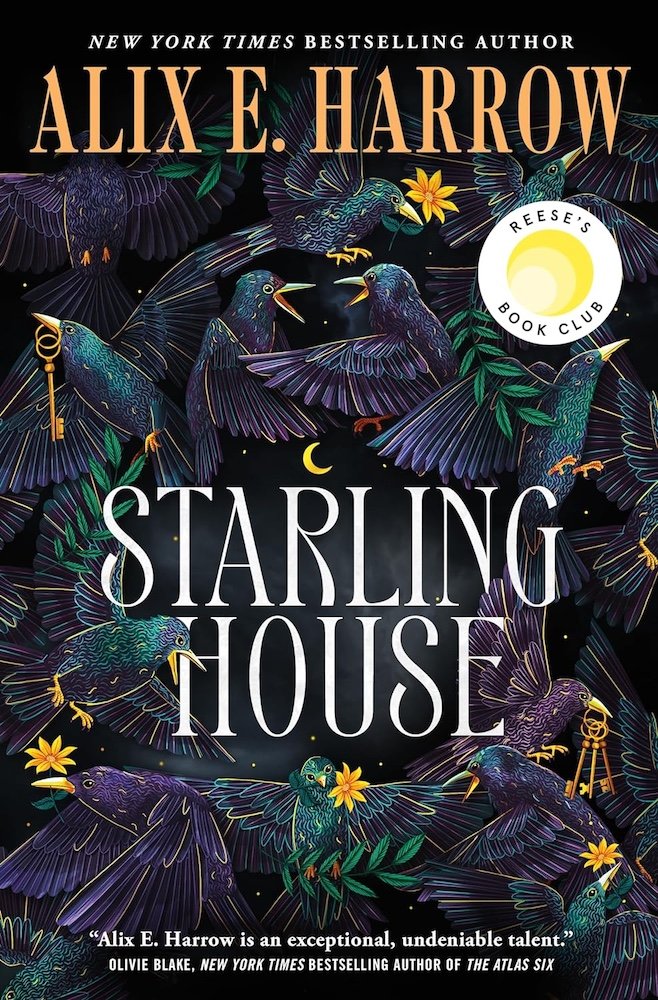
1. Starling House by Alix E. Harrow
"Starling House was no longer just a house. What had begun as stone and mortar had become something more, with ribs for rafters and stone for skin. It has no heart, but it feels; it has no brain, but it dreams."
The Vibe: Starling House is a Southern Gothic fever dream that manages to feel both ancient and aggressively modern. It’s set in Eden, Kentucky—a town so choked by its own history and coal dust that it feels like it’s being slowly digested. Our lead, Opal, is a survivalist with a sharp tongue and zero patience for ghost stories, but she finds herself drawn to the legendary Starling House: a sentient, shifting pile of architectural trauma that’s been watching the town for generations. It’s a story about the "Warden" of the woods, the monsters we create by refusing to look at our own shadows, and the reality that some houses don't just have walls—they have heartbeats. Harrow’s writing is lush and creative when she’s describing the decay of the Kentucky landscape, but she keeps the emotional beats clipped and honest, making this less of a "fairytale" and more of a gritty initiation into what it means to truly belong to a place.
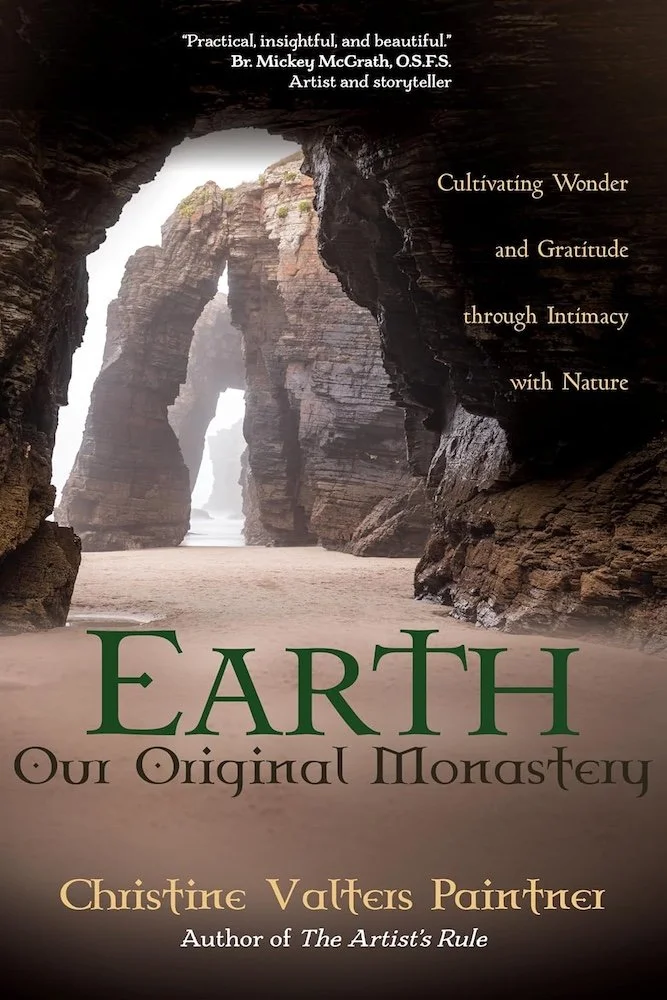
2. Earth, Our original Monastery by Christine Valters Paintner
“Through every rock, every bird, every flower, and every creature, God enters into intimacy and communion with us. This is how God’s wisdom is revealed, and we would do well to listen for their spiritual direction.”
The Vibe: If the word "monastery" makes you think of cold stone floors and silence, Paintner is here to remind you that the first cathedral was made of mud and starlight. This isn't a book about escaping the world to find the divine; it’s about the shamanic reality that the divine is currently under your fingernails. Paintner writes with a creative, luminous depth about "Earth as the original teacher," but she avoids the trap of being overly precious. Instead, she treats the landscape as a rigorous spiritual discipline. It’s a book for those of us who find more "church" in a decaying log than a pew. She explores the "ecology of the soul" in a way that feels intentional and ancient, reminding us that our breathing, our walking, and our eventual demise are all part of a sacred, circular rite. It’s a quiet and profound anchor for the Equinox.
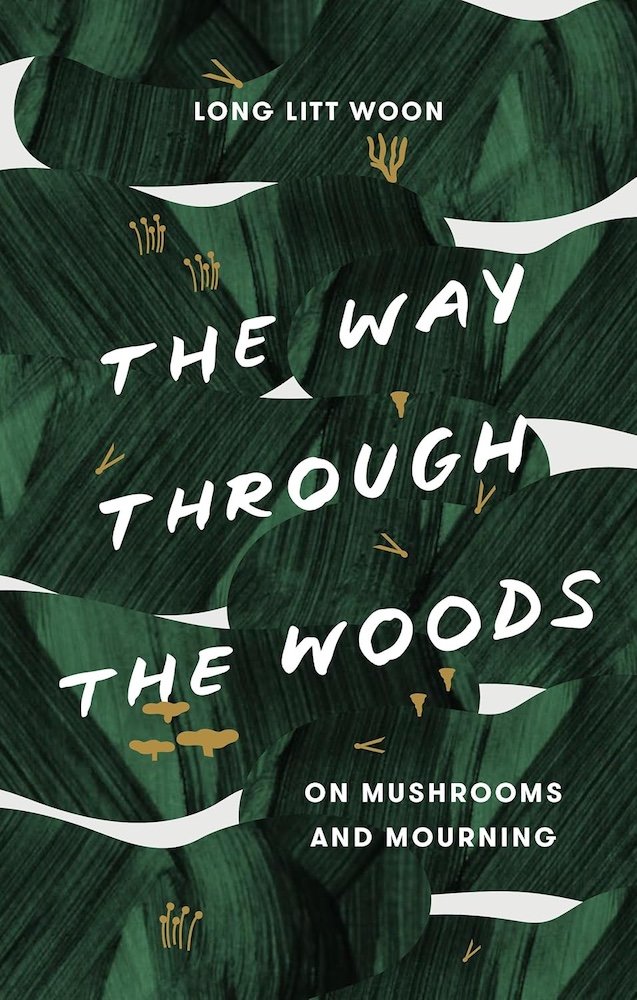
3. The Way Through the Woods by Litt Woon Long
‘With each new mushroom I learned to identify, every new site I visited, and every new mushroom buddy I made, I gradually became more integrated into the community. And, although I didn’t know it, each of these experiences represented another tiny mouse-step towards the end of the black tunnel of mourning.’
The Vibe:The Way Through the Woods is a memoir that refuses to be sentimental, which is exactly why it works. After the sudden death of her husband, Litt Woon Long didn't find solace in "wellness" retreats; she found it in the strange and slightly alien world of fungi. It’s a journey from the paralysis of grief into the welcoming reality of the forest floor. Long’s writing is beautifully paradoxical—she’s clipped and practical about the science of foraging, yet deeply emotive about the psychological landscape of loss.
This book is a masterclass in the shamanic concept of the "Underworld." It’s a reminder that the most profound healing doesn't always happen in the light; it can also happen in the dark places where life and death meet. It’s a quiet, moody, and ultimately hopeful look at surviving a winter of the soul.